

Compression Clothes for Men - Running - Hiking - Trail
The benefit of compression clothing for your running performance
When you want to push your limits in running, every detail matters. Your shoes, your diet, your training plan... but also your clothes. In this equation, compression plays a key role. It’s not just a passing trend: it is based on real physiological mechanisms to boost your performance, keep you fit during exercise, and improve your recovery after each session.
A technology for your comfort and performance
Compression clothing applies targeted pressure to the muscles used during running. This action reduces muscle vibrations, limits fatigue, and facilitates venous return. The result: improved oxygenation, a feeling of lightness, and faster recovery. As soon as you put on compression shorts or sleeves, you feel the stability that supports every move. This is particularly useful during long runs or intense efforts.
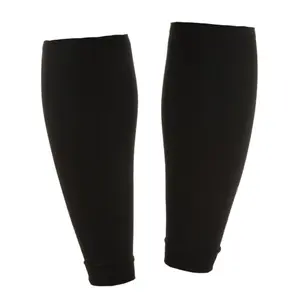
Compression sleeves to relieve your calves
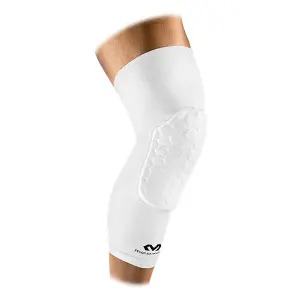
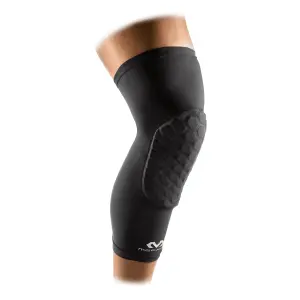
If you run often, going from one session to the next, and sometimes feel that your calves tire too quickly, compression sleeves are for you. They wrap around this strategic area, supporting the muscle and improving circulation. You gain endurance, reduce the risk of cramps, and enhance your comfort over time. They are also perfect for those who regularly suffer from muscle pain in their legs after exercise.
Compression socks for running, but also for recovery
Compression socks are designed to support your performance during running, but their benefits don’t stop there. Once the effort is over, they continue to work by helping drain toxins and stimulate blood circulation. This helps reduce the feeling of heavy legs and prepares your body more quickly for your next session. They are ideal for regular runners, competitors, and anyone looking to naturally optimise their recovery.
Compression shorts and tights: allies for power and stability
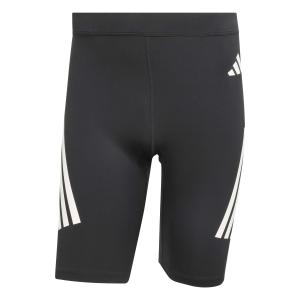
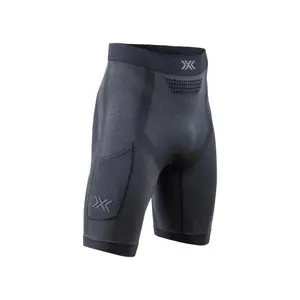
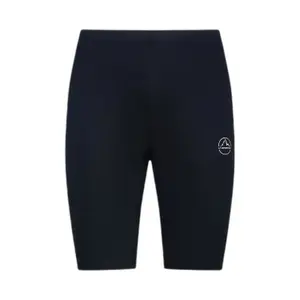
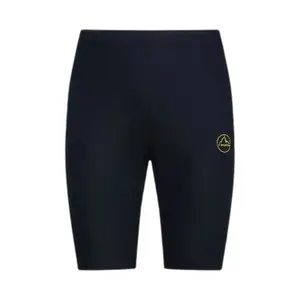
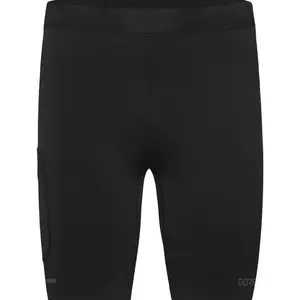
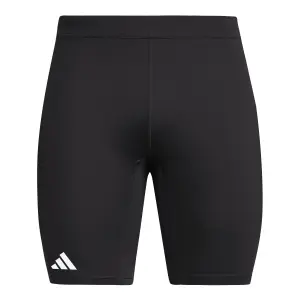
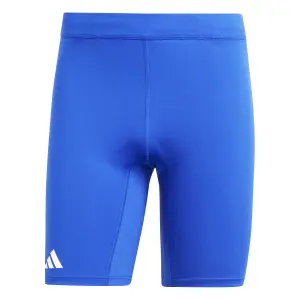
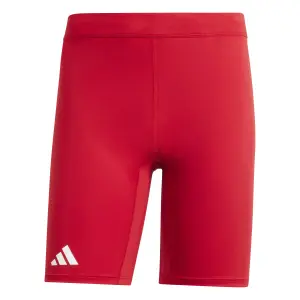
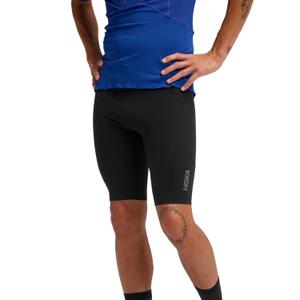
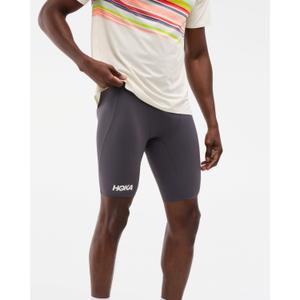
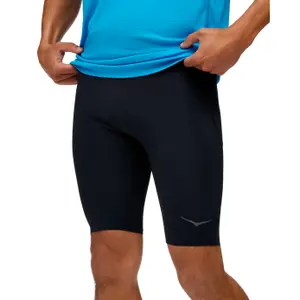
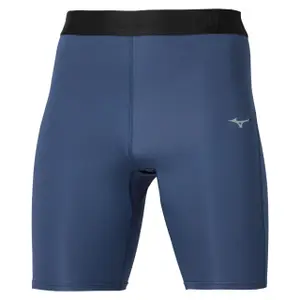
The lower part of your body is the engine of your stride. Protecting and supporting it is essential. Compression shorts target your quadriceps and hamstrings. By limiting micro-traumas, they improve your comfort, reduce the risk of injury, and help you maintain an effective posture, even when fatigue sets in. This is a valuable asset during long distances or interval sessions where every step counts.
Compression t-shirts: support for your upper body and thermoregulation
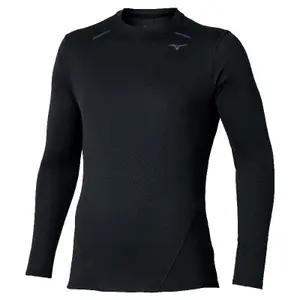
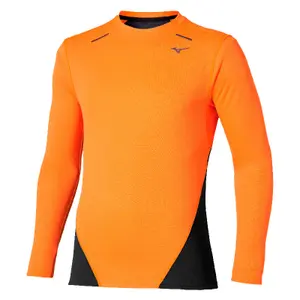
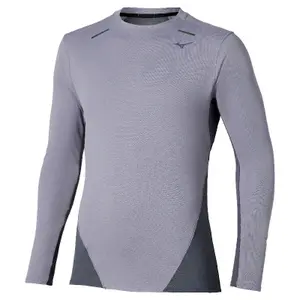
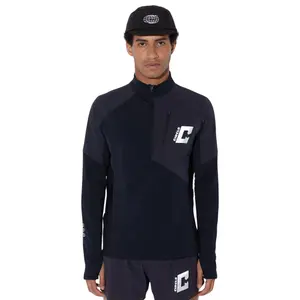
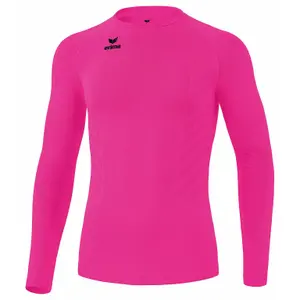
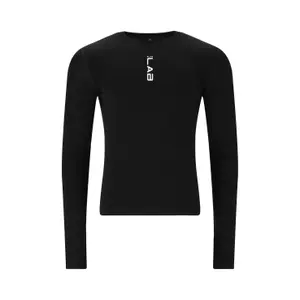
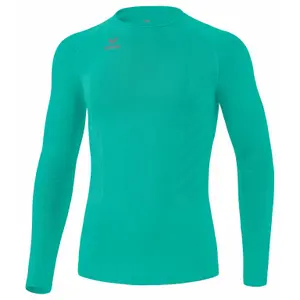
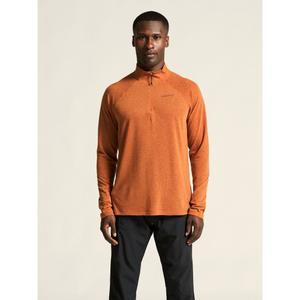
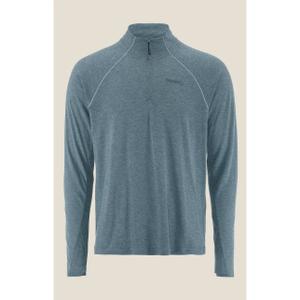
We often think of compression for the lower body, but the upper body also plays a major role. A well-fitted compression t-shirt supports the muscles of the shoulders, back, and chest. It promotes good posture, especially during long sessions or competitions. Thanks to technical materials, it effectively manages moisture, prevents chafing, and regulates your body temperature. Even during the most intense efforts, you stay dry and comfortable.
Wearing compression after exercise for proper recovery
The effects of compression don’t stop at the finish line. Once your run is over, compression clothing continues to work. It helps eliminate metabolic waste and reduces soreness. Many athletes even choose to wear their compression gear for several hours after their workout, or even overnight. It’s a simple, natural strategy to speed up muscle regeneration.
How to choose your compression clothing
If you want to incorporate compression into your routine but don’t know where to start, here are the criteria to watch for. First, the level of compression: it should be sufficient to provide support without excessive squeezing. For running, a medium level is recommended. For recovery, you can opt for a higher level.
The quality of the seams is also essential. Models with flat seams reduce friction and thus irritation. The materials should be breathable, lightweight, and able to move with you without losing their shape. Finally, the fit should be close to the body without hindering circulation or limiting mobility.
Who is compression for?
You don’t need to be a professional to benefit from it. If you run regularly and want to improve your comfort, endurance, or reduce post-exercise pain, compression can make a difference. It’s particularly useful for runners looking to progress without accumulating fatigue or for those wanting to optimise their recovery.
Clothing to adapt to your goals
You can wear your compression clothing during runs to enhance your posture and muscle efficiency. You can also use them solely for recovery, right after exercise, to maximise drainage and limit soreness. Some models are even suitable for everyday use after a long day on your feet or significant physical exertion.
A sustainable and accessible solution
Compression clothing is a durable investment. With proper care, they retain their properties for several seasons. Maintenance is simple: wash at low temperatures, air dry, and avoid fabric softeners to protect the fibres. Their effectiveness, durability, and comfort make them a smart choice for all athletes who want to go further without getting injured.